Recumbent Bike vs Upright Bike 2026: Which Should You Buy?
Recumbent bike vs upright bike compared on comfort, speed, visibility and storage — with a clear winner and advice on which suits your riding.
Recumbent bike vs upright bike: the short answer
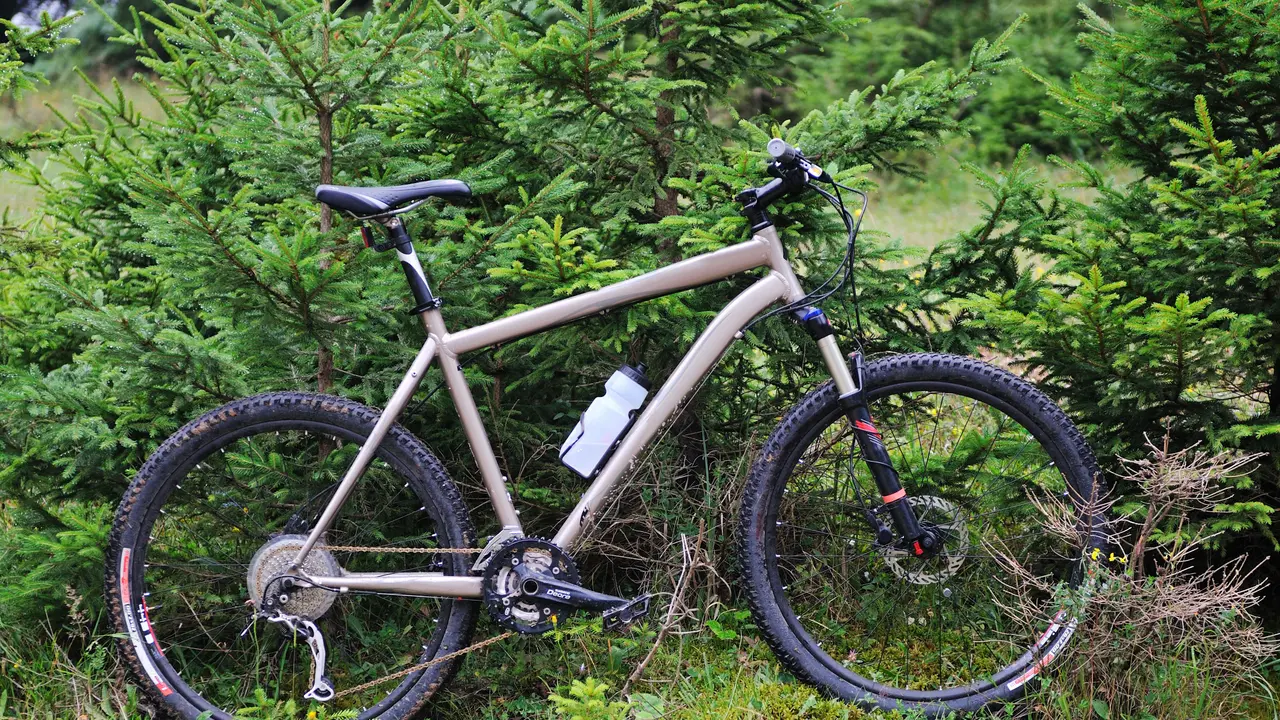
The choice comes down to one question: is comfort or versatility the bigger problem you're trying to solve? An upright bike — the familiar diamond-frame machine — is what most UK shops stock and what most of us picture when we say "bike". A recumbent puts you in a reclined seat with the pedals out front, trading familiarity and road presence for a position that takes the load off your back, neck and wrists.
Those two designs behave very differently on hills, in traffic and in a hallway. Here's how they compare on the things that actually change your ride.
Riding position and handling, side by side
| What matters | Recumbent bike | Upright bike |
|---|---|---|
| Riding position | Reclined in a mesh or bucket seat, legs forward, weight spread across the back and bottom | Seated on a saddle, hands on the bars, weight split between saddle, pedals and palms |
| Learning curve | Weeks rather than minutes; steering and balance feel alien at first | Familiar from childhood — most riders are confident almost immediately |
| Visibility to drivers | Low eye height; needs a flag, strong lights and assertive lane position | Eye height close to a seated driver's, so easier to spot at junctions |
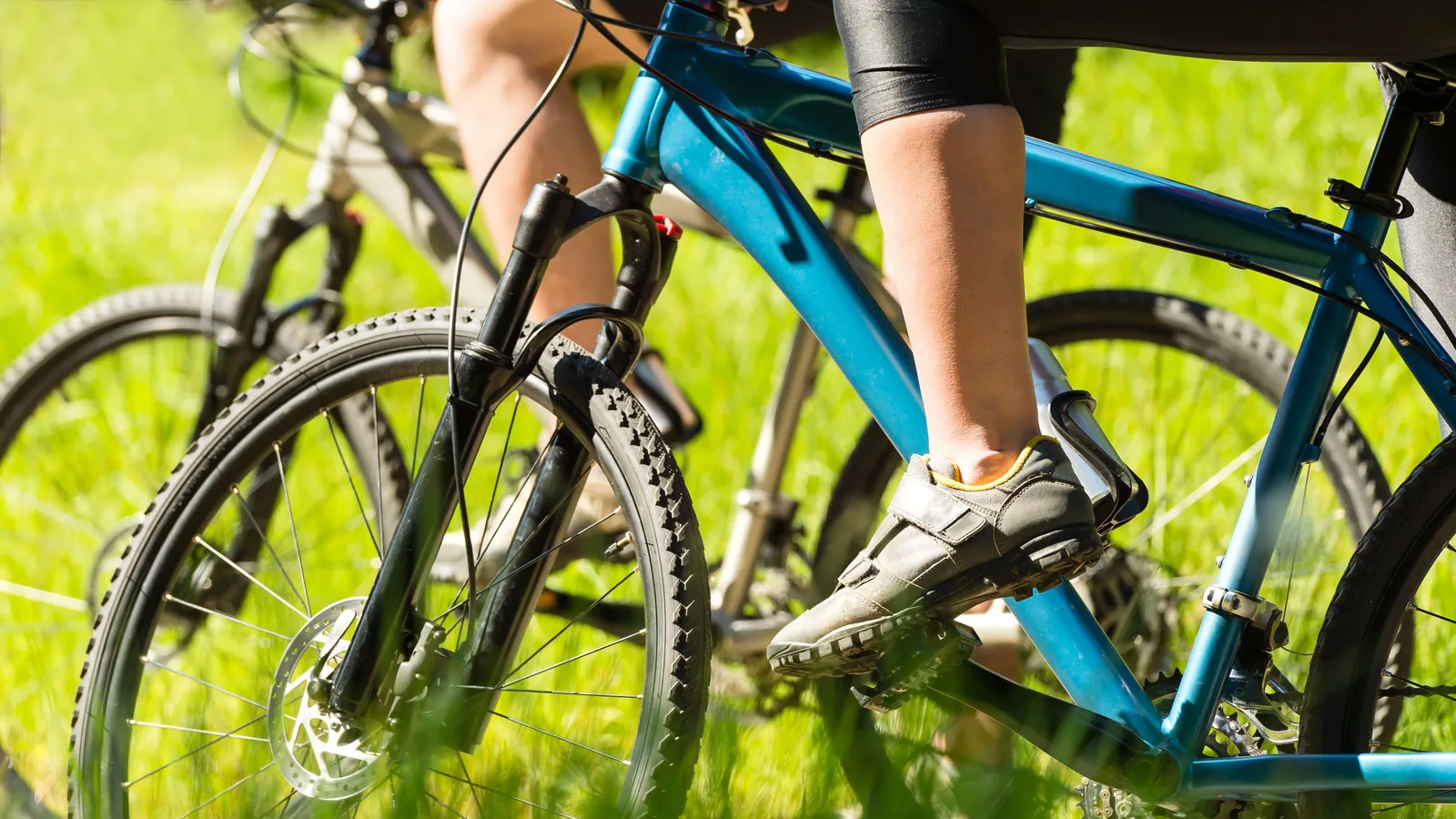
| Neck and wrist load | Almost none — head and arms are supported by the seat and bars | Real, and the usual source of aches on rides over an hour |
| Climbing and acceleration | Harder work: you stay seated, the frame is heavier and you can't stand | Stiff frame and body English make steep pitches noticeably easier |
| Storage and transport | Long wheelbase; awkward on trains, roof racks and in narrow hallways | Fits standard racks, train bike spaces and hallway storage |
| Carrying luggage | Under-seat racks and low panniers; some designs limit capacity | Front and rear racks, panniers, bikepacking bags, child seats |
| Where it feels best | Flat, open, traffic-free routes: towpaths, rail trails, promenades | Lanes, hills, city streets and mixed surfaces — anything |
The geometry drives everything else. On an upright your weight shifts constantly — you stand on climbs, lean into corners, unweight the front wheel over a pothole. On a recumbent your back is braced against the seat, your legs push forward rather than down, and the long wheelbase makes the bike stable at speed but wide and cumbersome in a tight turn. You steer with relaxed arms rather than using them to carry your upper body.
Comfort: the recumbent's clear win
Long rides are where the recumbent makes its case. With your back and head supported there is no saddle pressure, no neck ache from holding your head up for three hours and no weight going through your palms.
- Seat: mesh or moulded bucket seats spread load across the whole back instead of a small saddle patch.
- Head and neck: a reclined angle or a headrest keeps your neck in a neutral line.
- Hands: the bars are for steering only, so no road buzz through the palms and no numb fingers.
- Trade-off: reclined seating can bring on numb feet and hot spots under hard effort, and you'll use your legs differently, so build up gradually.
Speed, climbing and effort: the upright's win
On speed the upright takes it for most riders, though not by the margin you might expect. An upright is lighter and stiffer and can be climbed out of the saddle — which is why mass-start road racing is ridden on them and recumbents are excluded from UCI-sanctioned events. On flat, open ground a faired recumbent is famously quick because the frontal area is tiny, but an unfaired recumbent is heavier and slower to accelerate.
The gap opens on hills. Standing lets an upright rider use their upper body and body weight on a steep pitch; on a recumbent you stay seated, push against the seat back and spin. On rolling Yorkshire or Welsh lanes, an upright is simply the friendlier machine. On flat towpaths and seafront promenades, the recumbent's comfort costs you very little.
Visibility, traffic and road safety: the upright's win
Eye height is the safety issue that matters most. A recumbent rider sits roughly knee-height to a following car, so a driver looking over a bonnet can miss you entirely — especially at T-junctions and in slow-moving queues.
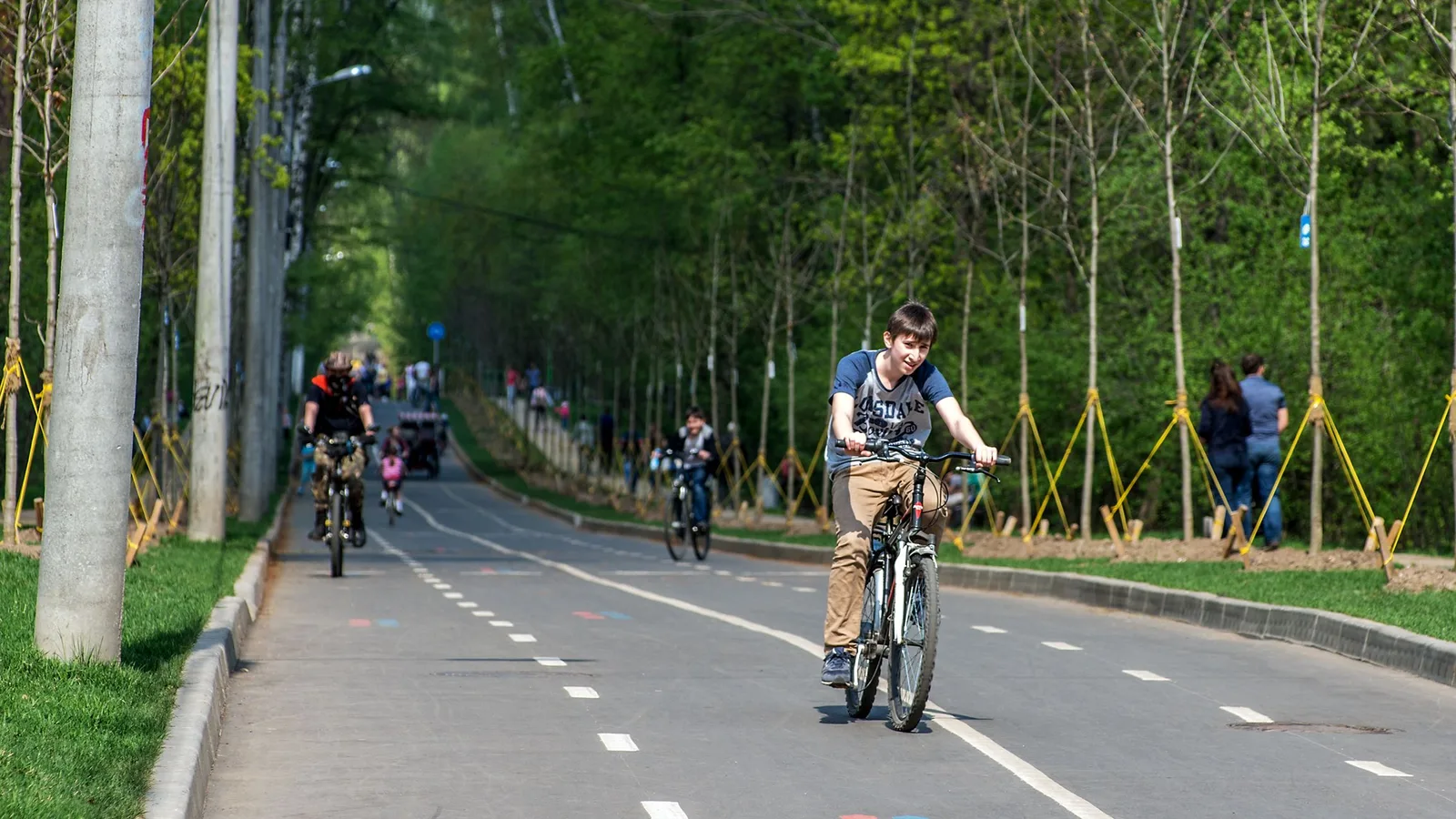
Recumbent riders work around this with a tall flag, a bright rear light and, crucially, road position: taking the lane rather than hugging the kerb. On traffic-free paths and quiet lanes it matters far less. An upright rider's head sits roughly level with a seated driver's, which is why upright bikes dominate city commuting and why most bike-hire and cycle-training schemes are built around them.
Storage, transport and ownership: the upright's win
Recumbents are long — often noticeably longer than a standard bike — and that shape fights with everyday life. They don't fit standard roof or towbar racks without adapters, they're awkward in train bike spaces, they can be difficult to get through a hallway or garden gate, and locking one to a Sheffield stand takes thought.
There's also the market. Recumbents are built in small volumes, so there are fewer models in UK shops, a thinner used market and longer waits for some parts. Uprights are the opposite: every town has a shop that stocks the bits, and secondhand values are easy to judge.
Recumbent bike: strengths and weaknesses
Why riders choose recumbent
- No saddle pressure, no numb hands and no neck strain — the most comfortable option over long distances
- Stable and confidence-inspiring at speed on flat, open routes
- Lets riders with back, neck or wrist problems keep cycling when an upright has become unbearable
- A laid-back position and small frontal area cut wind fatigue on exposed routes
What you give up
- Low and hard to see in traffic; needs a flag, lights and an assertive road position
- Slower and harder work on steep climbs, and heavier to get moving
- Awkward to store, rack, take on a train or lock up
- Fewer models, fewer dealers and a thinner secondhand market
- Takes weeks rather than minutes to feel natural
Upright bike: strengths and weaknesses
Why uprights dominate
- Visible in traffic and familiar to drivers, riders and cycle trainers
- Efficient on hills — you can stand, shift weight and use your upper body
- Fits standard racks, trains, sheds and bike locks without adapters
- Enormous choice of models, parts, tyres and accessories on the UK high street
- Comfortable enough for most riders on rides of an hour or two
Where it hurts
- Saddle, hand and neck discomfort builds steadily on longer rides
- Weight through the wrists and perineum is a hard limit for some riders
- Head-down into a headwind is tiring in a way a recumbent isn't
Who should choose which
Choose a recumbent bike if:
- Back, neck, wrist or saddle pain has stopped you riding, and comfort is the deciding factor.
- Your riding is mostly flat, traffic-free and long — towpaths, rail trails, coastal promenades, charity rides on quiet roads.
- You have somewhere long and level to store it, and a way to transport it.
- You're happy to spend a few weeks learning the bike before you trust it in traffic.
Choose an upright bike if:
- You commute on roads and want to be seen without relying on a flag.
- Your routes include proper hills, and you want to stand and use your body weight.
- The bike has to live in a hallway, go on a roof rack or travel on a train.
- You want a wide choice of models, easy servicing and a simple resale.
- You ride for an hour or two at a time and comfort isn't yet the limiting factor.
Before you commit: what to check
Whichever way you're leaning, a few practical checks save a lot of regret.
- Ride before you buy. A recumbent needs a proper test ride on a quiet road, not a lap of a car park. Ask about boom length and seat adjustment for your leg length.
- Check the gearing. Recumbents can't be stood up on, so a genuinely low bottom gear matters more than it does on an upright.
- Measure your storage. Recumbent length and turning circle catch people out in hallways, sheds and bike stores.
- Budget for the extras. A flag, a mirror and good lights are part of the cost of running a recumbent safely.
- Consider a recumbent exercise bike as a test. A stationary recumbent uses a similar hip-forward position, so it's a cheap way to find out whether your back and knees like it — though balancing a road recumbent is a separate skill.
Recumbent bike vs upright bike: common questions
Are recumbent bikes legal on UK roads and cycle paths?
Yes. A recumbent bicycle is a bicycle in law, so the usual rules apply: working lights and a rear reflector after dark, and riding with due care. The practical snag is width-restricting barriers and chicanes on some shared paths, which long or trike-format recumbents can't get through.
Do I need special pedals or shoes on a recumbent?
Not strictly, but most recumbent riders fit clipless pedals, heel slings or a foot retention system. With your legs out in front, feet can slide off flat pedals under hard effort or on bumpy surfaces, which is worth solving early.
How long does it take to get used to a recumbent bike?
Most riders feel steady within a handful of short rides and properly at home after a few weeks. Start on quiet, flat routes, keep the gears low and avoid clipping in until steering feels automatic.
Is a recumbent bike good for long-distance touring?
It's the most comfortable way to cover big daily distances, and the low-load position suits multi-day rides well. The trade-offs are luggage capacity, transport to the start, and finding spares in smaller towns — carry the specific parts your bike needs.
Will a recumbent make me faster?
Usually not, unless you go for a faired design on flat ground. Unfaired recumbents are heavier and slower to accelerate than a comparable upright, and the advantage on hills sits firmly with the upright bike.
Can I test the riding position on a gym recumbent first?
It's a reasonable first check on whether your back and knees tolerate the hip-forward position, and many gyms have them. Balancing and steering a road recumbent is a different skill, so still arrange a test ride before buying.