Hardtail vs Full Suspension 2026: Which Bike Suits You?
Hardtail or full suspension? We compare weight, cost, climbing, comfort and upkeep to help UK riders pick the right mountain bike for their trails.
Hardtail vs full suspension: the short answer
Hardtail or full suspension is the first fork in the road when you buy a mountain bike, and it shapes everything that follows: how much bike you get for your money, how often it needs spannering, and how it behaves when the trail turns rough. The two designs are not close cousins. One has a rigid rear end, the other has a shock and a linkage, and that single difference drives weight, cost, grip and maintenance.
Below we compare them on the things that actually decide the purchase, then say plainly who should ride which.
What actually separates the two designs
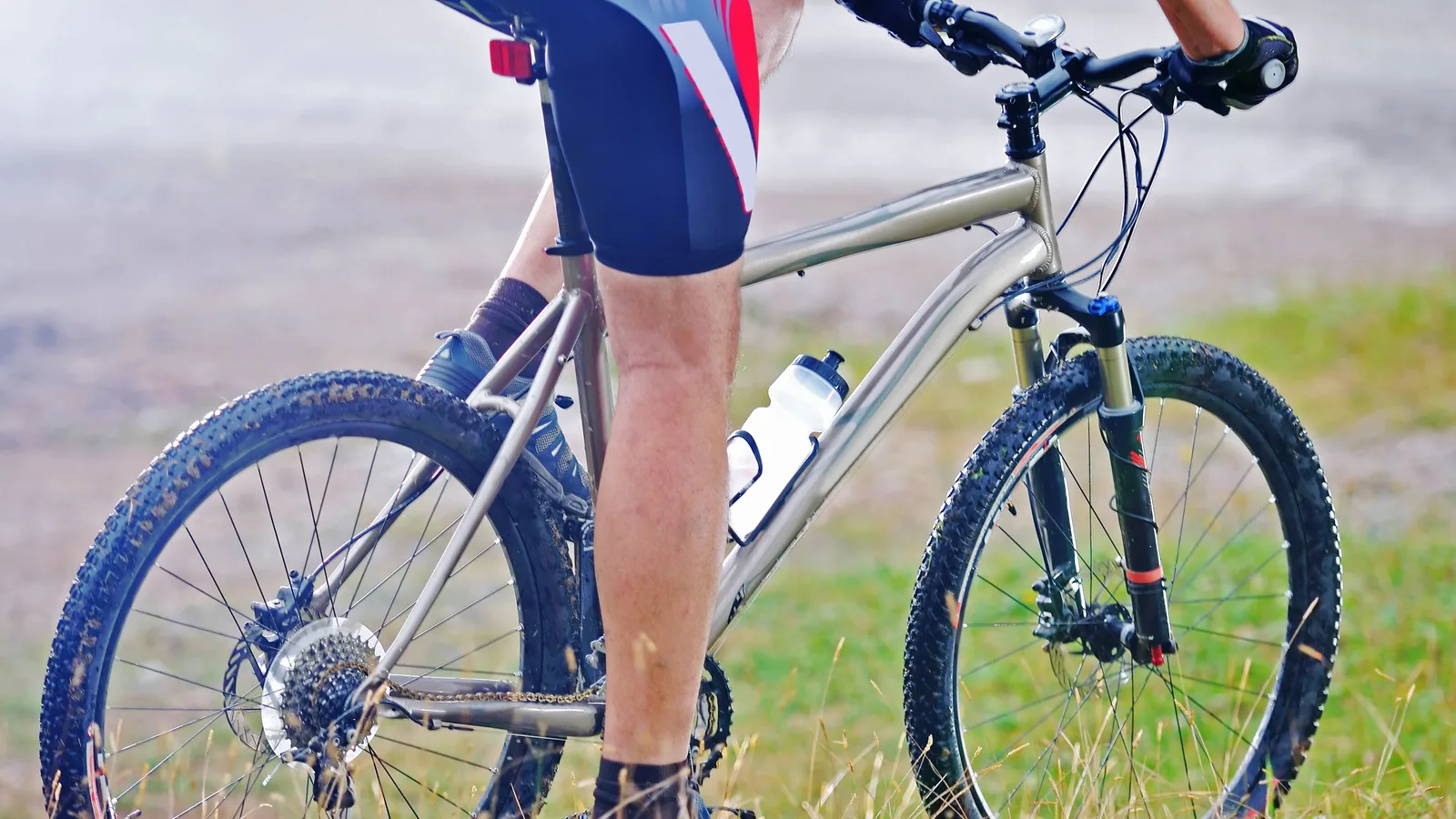
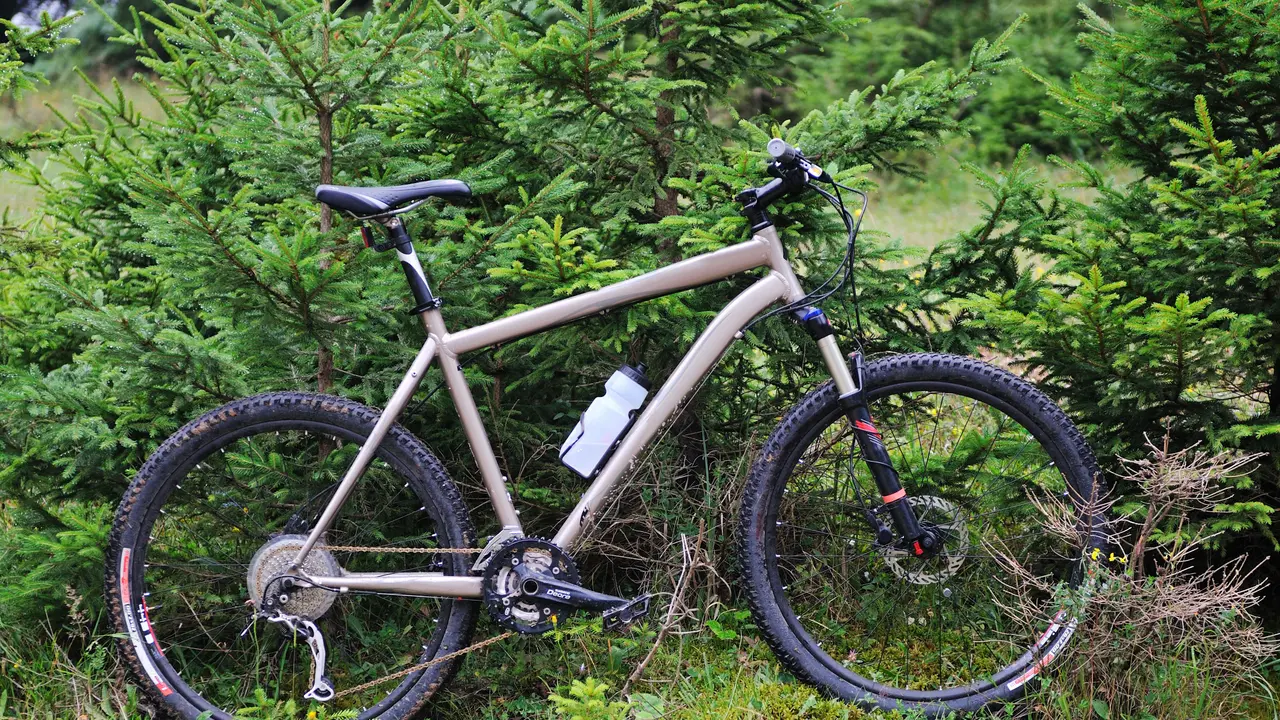
A hardtail has suspension at the front only. The rear triangle is rigid, so the frame is one solid unit from the bottom bracket to the rear axle. A full suspension bike adds a rear shock and a linkage, letting the back wheel move up and out of the way of whatever it hits.
Everything else follows from that one difference:
- Weight and complexity: no shock, no pivots, no bearings to wear on a hardtail.
- Cost: the same money buys a hardtail with a better fork, lighter wheels and stronger components.
- Traction: a moving rear wheel keeps the tyre planted over roots and rocks; a rigid one skips and deflects.
- Pedal efficiency: nothing compresses under you when you stamp on the pedals.
- Servicing: fewer parts, fewer bills, less downtime.
Head-to-head: hardtail vs full suspension
| What matters | Hardtail | Full suspension |
|---|---|---|
| Rear end | Rigid rear triangle, one solid frame, nothing to pivot or leak | Rear shock and linkage let the back wheel move with the ground |
| Weight for the money | Typically lighter, and the gap widens on cheaper models | Frame, shock and linkage add weight, most noticeably at lower budgets |
| Climbing and sprinting | Firm and direct; every watt goes to the back wheel | Some pedal bob unless the shock is set up well or locked out |
| Rough ground and descents | Rear wheel skips and kicks; your legs and back absorb the hits | Rear wheel tracks the ground, so there is more grip and braking control |
| Comfort on long rides | Fine on smooth trails, harsh on rocks and roots | Less fatigue over rough ground and long descents |
| Maintenance | Fewer parts, simpler servicing, cheaper to keep running | Shock servicing, pivot bearings and seals all need attention |
| Commuting and load carrying | Rack, mudguard and child seat mounts are common | Racks and child seats are awkward or impossible to fit |
| Where it makes sense | Trail centres, bridleways, towpaths, forest tracks, mixed use | Rocky, rooty, steep trails ridden often |
Hardtail: strengths and weaknesses
Hardtail strengths
- Lighter and stiffer for the money, so it climbs and accelerates sharply
- Far less to go wrong: no shock, no linkage bearings, no pivot play
- Cheaper to buy and cheaper to keep running
- Simple to set up: fork pressure, tyre pressure, off you go
- Better chance of rack and mudguard mounts for commuting and bikepacking
Hardtail weaknesses
- The back wheel skips and deflects on roots and rocks
- Harsh on long rocky descents; fatigue builds in the legs and lower back
- Less confident on steep, loose or technical ground
- Less forgiving when you pick a bad line
The hardtail's advantage is not nostalgia. It is that every pound you spend goes into the parts that touch the trail — fork, wheels, tyres, brakes — rather than into a shock and a set of bearings. For a rider who is still working out what kind of off-road riding they enjoy, that is a strong place to start.
Full suspension: strengths and weaknesses
Full suspension strengths
- The rear wheel stays planted, giving grip and braking traction on rough trails
- Noticeably less fatigue over rocks, roots and long descents
- More control and confidence when the trail gets steep and loose
- Allows a slacker, more stable geometry without the ride feeling punishing
Full suspension weaknesses
- Heavier, especially at lower budgets
- More to maintain: shock servicing, pivot bearings, seals
- Pedal bob and extra weight blunt climbing unless the shock is set up well
- Costs more at the same component level, so cheap models carry heavy frames
- Racks, child seats and some frame bags are hard to fit
Climbing, descending and what UK trails actually ask of you
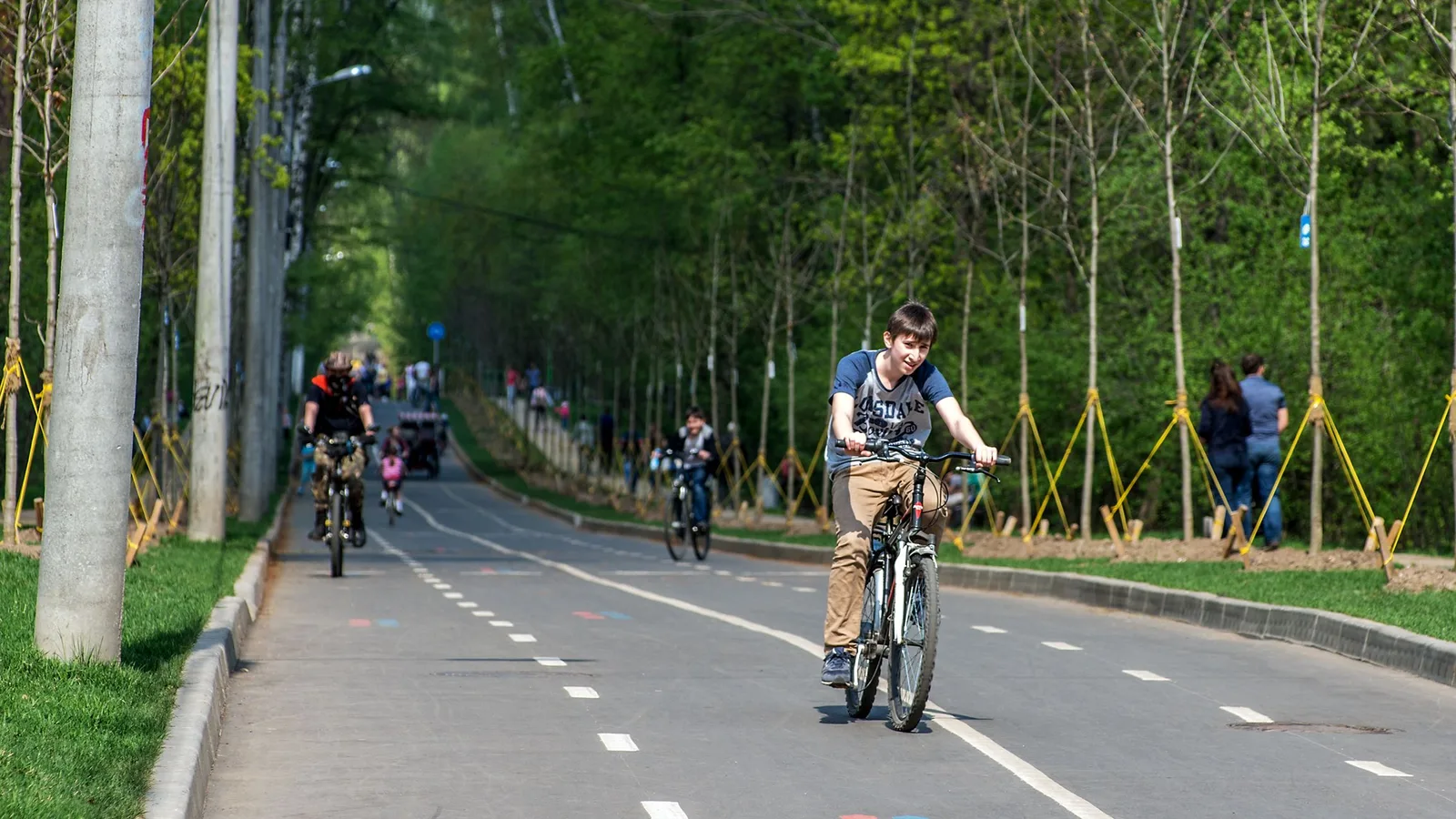
Most British riding sits between a trail centre red route and a muddy bridleway. Trail centre blues and reds are smooth, bermed and pumpy: the sort of ground where a hardtail is quick, cheap to run and entirely at home. The same goes for forest tracks, towpaths, canal routes and the gravel-ish loops that make up a lot of everyday riding.
Full suspension starts earning its keep on natural, rocky or rooty descents — the Welsh and Scottish trail centre black runs, steep woods, loose chutes and long days where the ground never settles. If your local riding is mostly hardpack with the occasional rough patch, you will spend most of the ride carrying suspension you are not using. If your local riding is a rock garden with a car park attached, the opposite is true.
Cost, weight and the maintenance bill
At any given price, a hardtail carries a better fork, lighter wheels and a more durable drivetrain than a full suspension bike at the same money, because none of the budget goes into a shock and a linkage. That is why a decent hardtail is a common first serious mountain bike, and why a full suspension bike at the very bottom of the range is often the heaviest, least satisfying way to spend the same amount.
Running costs follow the same pattern. A hardtail asks for fork servicing, tyres, brake pads and chain wear. A full suspension bike asks for all of that plus shock servicing, pivot bearings and seals, and a shock that has been neglected will feel worse than no suspension at all.
Who should buy a hardtail
Choose a hardtail if any of these sound like you:
- You are buying a first mountain bike and want the best components your budget allows.
- Your riding is mostly trail centre blues and reds, forest tracks, bridleways, towpaths or mixed commuting.
- You like servicing things yourself and would rather not deal with shocks and bearings.
- You want one bike that can take a rack, mudguards or a child seat.
- You ride smooth, climbing-heavy routes where low weight matters more than bump absorption.
Who should buy full suspension
Choose full suspension if the list above reads like someone else's life:
- Your regular trails are rocky, rooty and steep, and the back wheel skipping is the thing holding you back.
- You ride technical descents often enough that comfort and grip matter more than weight.
- You have back, knee or joint issues that rough surfaces aggravate.
- You are happy to budget for servicing, or to learn how to look after a shock and linkage.
- You are buying used: a well-maintained second-hand full suspension bike can be far better value than a new one at the bottom of the range.
The verdict
For most riders, most of the time, the hardtail wins. It is lighter, simpler, cheaper to buy and cheaper to keep, and on the ground that British riders actually spend their weekends on it gives nothing away. Spend the difference on a better fork, decent tyres and a dropper post and you will have a bike that flatters you for years.
Full suspension is not the wrong answer; it is the specialist answer. Buy it when rough, steep, technical trails are your normal riding rather than a holiday, and when you are willing to look after it. Judge the decision on the trails you ride every week, not the ones you daydream about.
Hardtail vs full suspension: common questions
Can you convert a hardtail into a full suspension bike?
No. Rear suspension needs a frame built for it, with a shock mount, pivots and clearance for the linkage. There is no bolt-on conversion that is safe or worth doing.
Is a hardtail faster than a full suspension bike?
On smooth, climbing-heavy courses a hardtail is often quicker because it is lighter and loses nothing to pedal bob. On rough, descending-heavy ground the full suspension bike's extra grip and control usually outweigh the weight.
Do you need a dropper post on a hardtail?
It is not essential, but it is the single upgrade that changes a hardtail most. Getting the saddle out of the way on descents is what makes a rigid rear end feel far less limiting.
Can you fit a child seat or pannier rack to a full suspension bike?
Usually not, or not safely. Racks and child seats need solid mounting points, which full suspension frames rarely have. Hardtails, hybrids and rigid frames are the practical choice for carrying loads or children.
How often does a rear shock need servicing?
Follow the shock manufacturer's recommended intervals rather than guessing, and get it serviced sooner if you see oil misting, hear knocking or the damping feels vague. Seals and oil need refreshing far more often than a rigid frame needs anything.