Gravel Bike vs Road Bike 2026: Which Should You Buy?
Gravel bike or road bike? We compare tyres, gearing, comfort and UK road manners to help you choose the right bike for the riding you actually do.
The short answer: gravel bike for most riders
For most people buying one bike in the UK, the gravel bike is the overall winner. It is the more useful machine if your riding mixes smooth tarmac with broken lanes, canal towpaths, bridleways and the odd gravel track. Put simply: wider tyres, lower gears and more mounting points make more surfaces rideable, and the penalty on the road is smaller than the penalty a road bike pays off it.
A road bike still wins on pure tarmac pace. If your idea of a good ride is a fast chaingang, a smooth sportive or a hilly road loop, the lighter, sharper road bike is the better tool. The rest of this guide explains where the lines blur.
What actually separates a gravel bike from a road bike
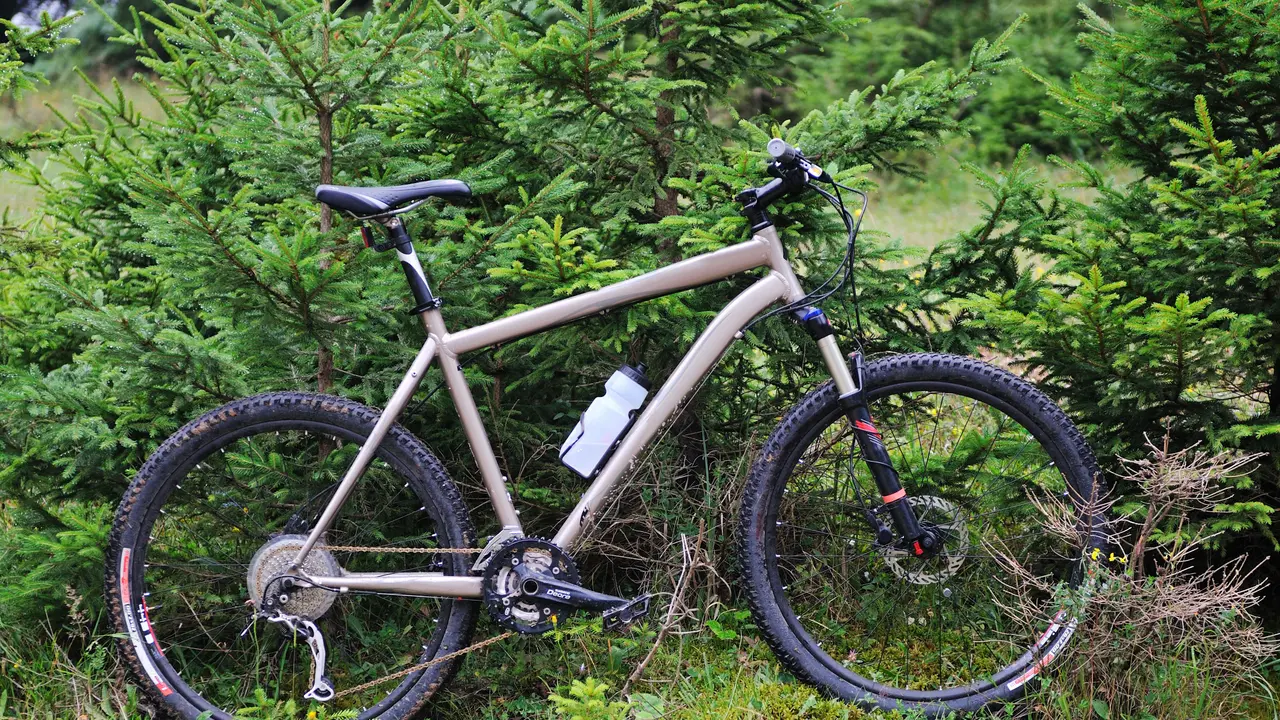
The labels overlap. A gravel bike is essentially a drop-bar bike built around wider tyres, lower gears and steadier handling; a road bike is built around tarmac pace. Many modern endurance road bikes now take 32–35 mm tyres, which narrows the gap. The differences that remain are clearance, gearing, geometry and mounts.
| Dimension | gravel bike | road bike |
|---|---|---|
| Rough-surface comfort — gravel bike wins | Wider tyres at lower pressure and a more upright position soak up potholes, towpath chatter and loose gravel. | Narrower tyres and a firmer ride feel quick on smooth tarmac but harsher over broken surfaces. |
| Smooth-tarmac speed — road bike wins | Heavier and less aero, with wider tyres adding drag; still quick enough for steady road rides. | Lighter, stiffer and more aero; easier to hold a fast group pace and accelerate out of corners. |
| Off-road ability — gravel bike wins | Clearance and tread let you ride bridleways, gravel tracks, forest roads and canal towpaths. | Best kept to tarmac and smooth paths; loose or muddy surfaces quickly become a handful. |
| Climbing on steep, loose ground — gravel bike wins | Lower bottom gears and more tyre traction make loose climbs less of a grind. | Close ratios suit fast tarmac climbs; very steep loose pitches may need a gear you do not have. |
| Handling on mixed terrain — gravel bike wins | Stable and planted, with slower steering that feels reassuring when the surface changes. | Quick steering and a lower front end feel sharp on road but less composed on loose descents. |
| Weight and acceleration — road bike wins | Usually heavier, with more material in the frame, tyres and wheels. | Usually lighter, so it feels livelier from a standing start or up a rise. |
| Load carrying and commuting — gravel bike wins | More mounts for racks, mudguards and bikepacking bags; wider tyres cope with kerbs and rough patches. | Mudguard and rack mounts vary; some race frames have none. |
| One-bike versatility — gravel bike wins | Covers lanes, towpaths, bridleways and light touring with one set of tyres. | Best as a dedicated tarmac bike; adding off-road ability is not realistic. |
Speed and comfort on British roads
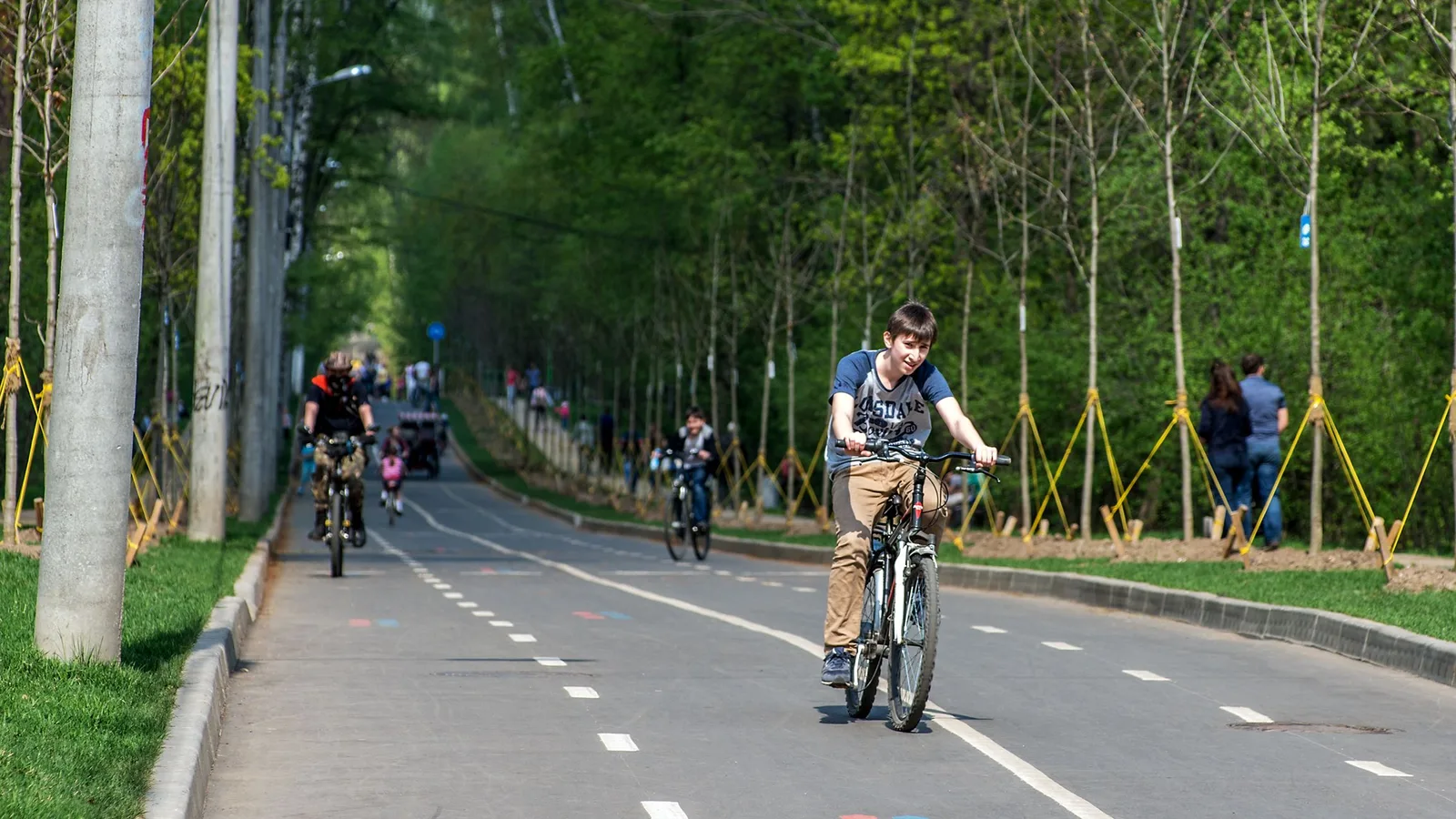
On smooth, freshly resurfaced tarmac, the road bike is the faster machine. It is usually lighter, has less tyre drag and puts the rider in a lower, more aero position. On the patchy lanes and potholed B-roads that make up a lot of UK riding, that advantage shrinks. A gravel bike on 40 mm semi-slicks can be surprisingly close, and it is far less likely to have you weaving around every rough patch.
The biggest variable is the tyre. Knobbly gravel tyres feel sluggish on tarmac; a fast semi-slick or slick in the same width transforms the bike. Road bikes benefit from the widest tyre the frame will take, run at a sensible pressure. If your rides are mostly smooth tarmac with short rough sections, a road bike on 32 mm tyres may be all the comfort you need. If the rough sections are long or frequent, the gravel bike's extra clearance earns its keep.
Gearing, tyres and brakes: the practical differences
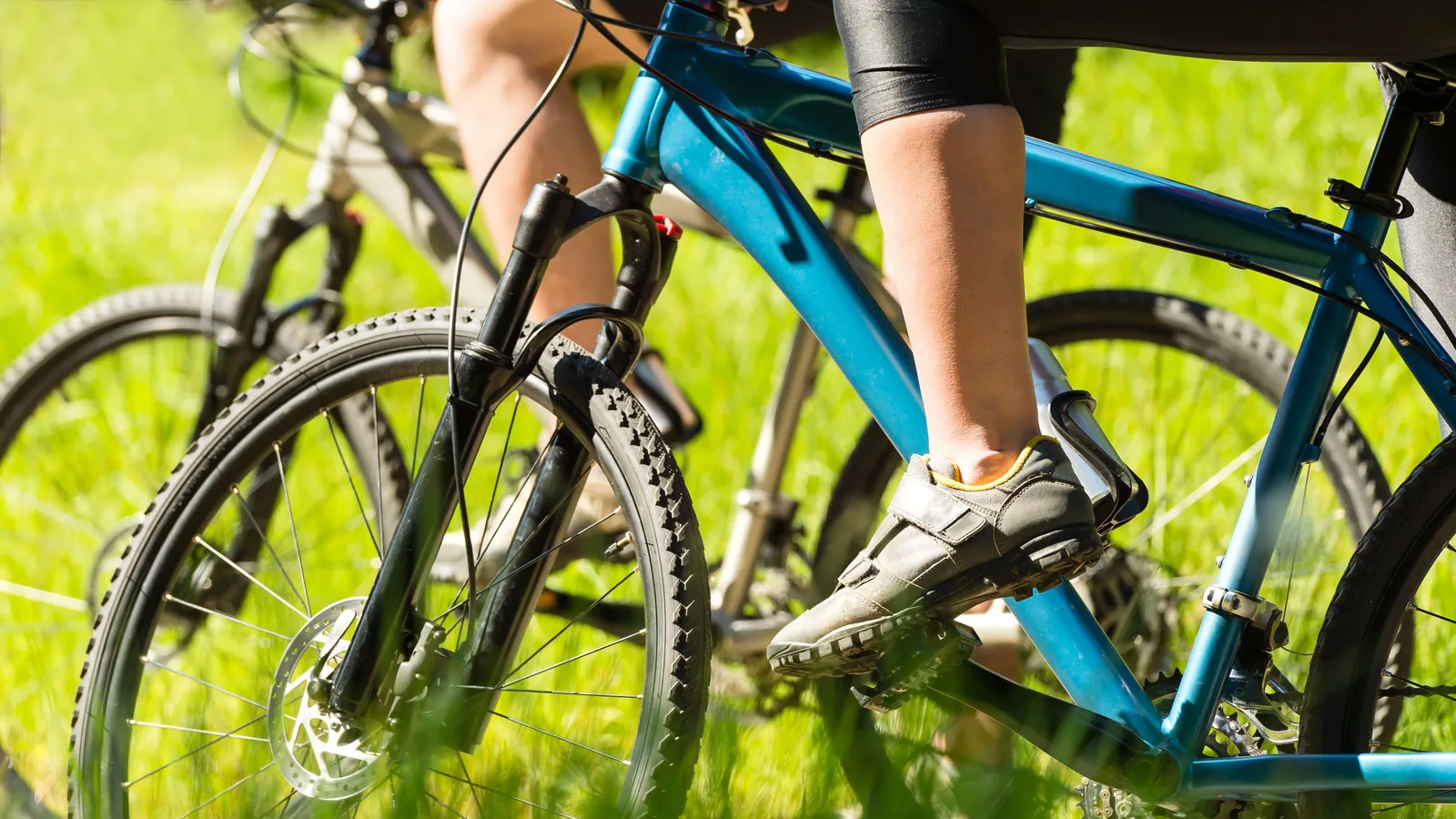
Tyres. Gravel bikes are built around wider rubber, often 40–50 mm, with room for mud. Road bikes usually run 25–32 mm. Wider tyres can be run at lower pressure for grip and comfort, especially tubeless.
Gearing. Gravel bikes tend to have lower bottom gears and wider cassettes or sub-compact chainsets. Road bikes favour closer ratios and a taller top gear. If you ride steep, loose climbs or load the bike, the gravel range is a real advantage; if you chase a fast group, close steps matter more.
Brakes. Disc brakes are standard on most new bikes in both categories. Hydraulic discs give better control in wet UK conditions; larger rotors and clearance help on long descents.
Mounts. Gravel frames usually offer more bottle, rack and mudguard mounts. That matters for commuting and bikepacking, less for a pure road bike.
Who should choose a gravel bike
Choose a gravel bike if you want one bike to do most things. It is the sensible choice for:
- Riders whose local lanes are rough and who want to link tarmac with towpaths or bridleways.
- Commuters who need mudguards, a rack and tyres that survive kerbs and potholes.
- Bikepackers and light tourers who want mounts and stable handling.
- Riders who value confidence on descents and loose surfaces over a razor-sharp road feel.
Gravel bike strengths
- Versatile enough for tarmac, towpaths and light off-road riding.
- Wider tyres and a stable ride make rough UK roads more comfortable.
- Lower gears help on steep climbs and when the bike is loaded.
- Usually has more mounts for mudguards, racks and bags.
Gravel bike trade-offs
- Heavier and less aero than a comparable road bike.
- Knobbly tyres feel slow on tarmac; swapping to slicks helps.
- Stable handling can feel less exciting on a fast road ride.
- More tyre clearance and mounts add complexity you may not need.
Who should choose a road bike
Choose a road bike if the road is the point. It suits:
- Fast group rides, chaingangs and sportives on smooth tarmac.
- Riders who want the lightest, sharpest climbing bike they can get.
- People who rarely leave sealed surfaces and are happy to ride around rough patches.
- Anyone who already has a gravel or winter bike and wants a dedicated road machine.
Road bike strengths
- Quicker and more efficient on smooth tarmac.
- Usually lighter, with sharper acceleration and climbing feel.
- Closer gear ratios make it easier to hold a steady fast pace.
- More choice of aero and race-oriented frames.
Road bike trade-offs
- Narrower tyres and a firmer ride are less forgiving on broken roads.
- Limited tyre clearance rules out most off-road use.
- Fewer mounts on some frames, so commuting and bikepacking are harder.
- Less confident on loose descents and rough corners.
Can one bike do both?
A gravel bike is the closest thing to a one-bike solution for mixed UK riding. With a second set of wheels and road tyres, it can keep up on steady road rides and still handle towpaths and bridleways at the weekend. The change is not magic: the frame remains longer and more stable than a race bike, so it will not feel as eager in a fast chaingang. A road bike cannot go the other way: if the frame will not clear wider tyres, you cannot add gravel ability.
If most of your riding is on tarmac and you only occasionally stray onto a smooth path, a road bike with the widest tyres it will take is the simpler choice. If the split is closer to 50/50, or you want to commute and bikepack, the gravel bike is the better single purchase.
Buying checklist for UK riders
Tyre clearance. Look for room for at least 40 mm tyres with mudguards if you want mixed-surface versatility. For road use, 32 mm is a useful minimum on rough UK tarmac.
Mudguard and rack mounts. If you commute, check eyelets and clearance before you fall for the paint.
Gearing. Compare the bottom gear, not just the number of speeds. A wide cassette or sub-compact chainset helps on steep, loaded climbs.
Brakes. Hydraulic disc brakes are the norm on new gravel and road bikes; check rotor size if you ride long descents.
Wheel and axle standards. If you want a second wheelset, confirm thru-axle dimensions and freehub type.
Fit. A stable gravel bike still needs to fit; do not size up for stability. A road bike should feel comfortable in the drops, not just on the hoods.
Final verdict
The gravel bike wins for most riders because it covers more of the riding UK cyclists actually do: rough lanes, towpaths, bridleways and the occasional gravel track. It gives up some speed and sharpness on smooth tarmac, but the trade is worth it if you want one bike to do more. Choose the road bike if your heart is in fast tarmac riding and you have the surfaces to enjoy it. Either way, prioritise fit, tyre clearance and gearing over labels; the best bike is the one that suits your regular routes.
Gravel bike vs road bike: your questions answered
Is a gravel bike slower than a road bike on tarmac?
Usually yes, especially with knobbly tyres. With fast semi-slicks and a similar position, the gap is small; the road bike still has a weight and aero advantage.
Can I put road tyres on a gravel bike?
Yes, if the wheel and frame clear them. A second wheelset with 28–32 mm road tyres is a common way to make a gravel bike feel quicker on tarmac.
Can I ride a road bike on gravel?
Only light, smooth gravel or dry towpaths, and only if the frame has enough tyre clearance. Loose, muddy or rocky surfaces are not sensible on a road bike.
Do I need a gravel bike for commuting?
Not necessarily. A road bike with mudguard mounts and 32 mm tyres can handle most commutes. A gravel bike makes more sense if your route includes towpaths, rough cycle paths or luggage.
What is the main difference in geometry?
Gravel bikes usually have a longer wheelbase, slacker head angle and higher stack for stability. Road bikes have quicker steering and a lower, longer position for tarmac speed.
Is a gravel bike good for long road rides?
Yes, if you fit faster tyres and are comfortable with a slightly more upright position. It will not feel as sharp as a road bike, but it can be comfortable over long distances.