Altra Lone Peak Review 2026: Who the Zero-Drop Shoe Suits
Our verdict on the Altra Lone Peak: who the zero-drop, wide toe box trail shoe genuinely suits, where it falls short, and how to get the fit right.
What the Altra Lone Peak Actually Is
The Altra Lone Peak is the shoe that made Altra's name on trails, and its two defining features have not changed: a completely flat platform, with the heel and forefoot sitting at the same height — zero drop — and a FootShape toe box that is noticeably wider across the toes than a conventional running shoe.
It is a line rather than a single model, revised every season or so with tweaks to the upper, the midsole foam and the outsole. That matters when you are buying: two shops can both be selling "the Altra Lone Peak" at very different prices because one is clearing a previous generation.
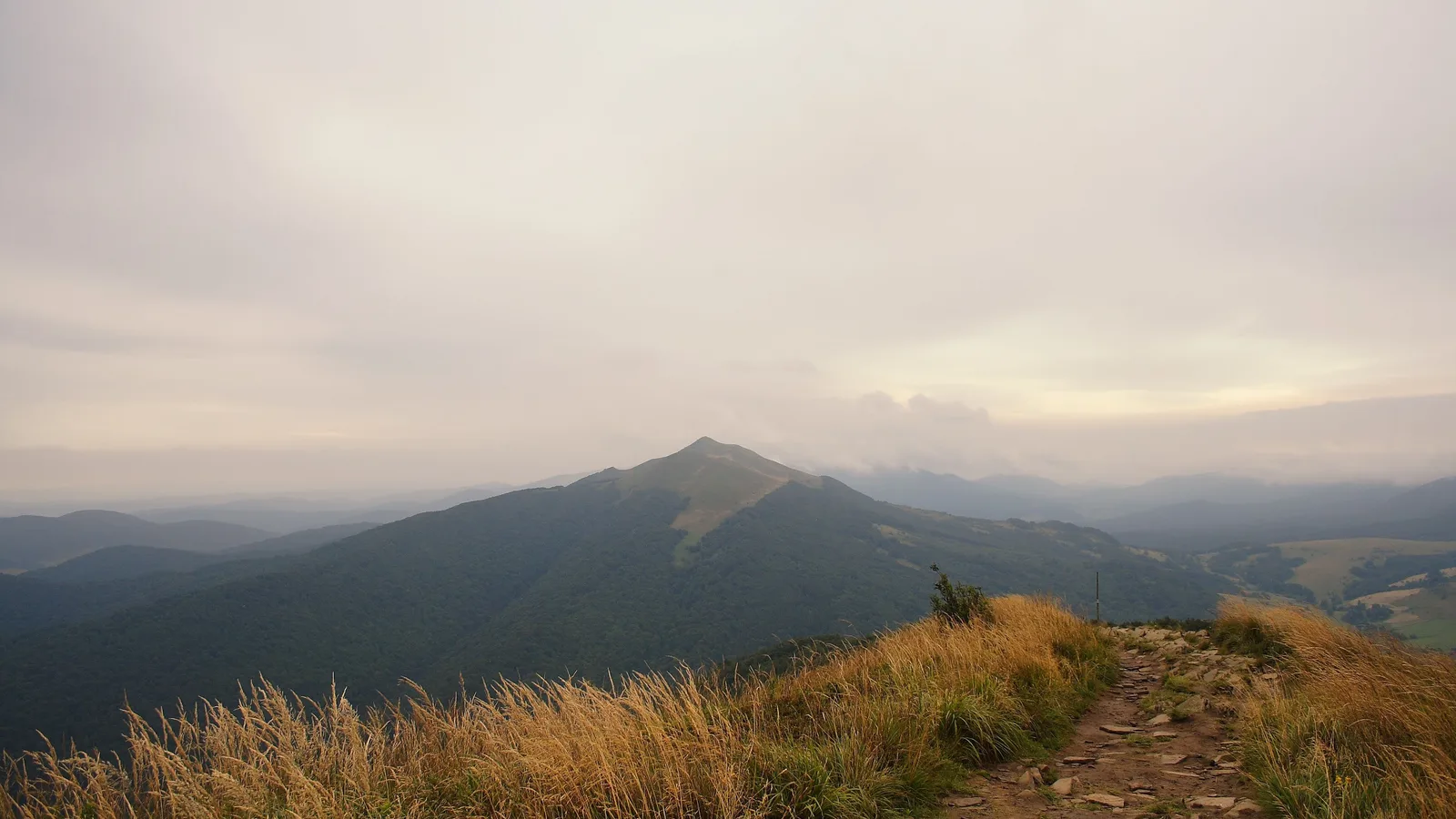
The design brief is soft, mixed and uneven ground — forest tracks, moorland paths, grassy fell, dry rock and the sort of trail you find on UK long-distance routes. It is not built for tarmac, and it is not a stability shoe.
- Platform
- Zero drop — heel and forefoot at the same height
- Toe box
- Altra FootShape, wider at the toes than most trail shoes
- Intended use
- Trail running, fastpacking and lightweight hiking
- Terrain
- Forest track, moorland, grass, dry rock and mixed trail
- Outsole
- Lugged rubber tuned for dry rock and hardpack
- Extras
- Gaiter attachment points at the heel and front
Our Verdict
Strengths and Weaknesses
What it does well
- A genuinely roomy toe box — toes splay instead of being squeezed, which pays off on long descents and hot days.
- The flat platform gives excellent ground feel and encourages a midfoot landing rather than a heel strike.
- Flexible and nimble underfoot, so it turns quickly on twisty singletrack instead of feeling like a plank.
- Confident on dry rock, hardpack and grass, which covers most UK summer trail conditions.
- Gaiter attachment points at heel and toe make it easy to keep grit and heather out of your socks.
Where it falls short
- Underfoot protection is modest: sharp Lakeland rock and stony descents come through to the sole.
- Traction drops away on wet roots, wet rock and claggy mud, where a deeper-studded fell shoe is safer.
- Zero drop shifts load onto the calf and Achilles, so it is not a shoe to switch to the week before a race.
- Expect the outsole to wear faster if a lot of your mileage is on tarmac or towpath.
- The soft upper offers little structure if you overpronate or want a locked-in, supported feel.
How It Scores on What Matters
Scores are judged against the job the Lone Peak is designed for — natural-feeling trail running and lightweight hiking on mixed ground — not against a cushioned road shoe or a rigid mountain boot.
- Comfort and toe room
- 5.0 / 5
- The wide, foot-shaped front is the reason most people buy it, and it delivers on long days.
- Grip on dry trail and rock
- 4.0 / 5
- Reliable on gritstone, hardpack and dry grass; a genuine all-day summer option.
- Grip in mud and on wet rock
- 2.5 / 5
- The weak point. Shallow lugs clog and wet roots demand caution on descents.
- Underfoot protection
- 3.0 / 5
- Enough for forest tracks and grass; thin on sharp stone and rocky descents.
- Stability at speed
- 3.5 / 5
- The flat, flexible platform is stable in a straight line but asks more of your feet on rough ground.
- Durability
- 3.5 / 5
- Holds up on soft trail; tarmac miles take a toll on the outsole.
Zero Drop: What You Are Signing Up For
Zero drop means your heel sits no higher than your forefoot, so the shoe does not tip you forward or cushion the landing for you. Your calf, Achilles and foot muscles do more of the work, and that is either the whole point or a problem, depending on your history.
The upside is better proprioception — you feel the ground and adjust — plus a stride that tends to land under your body rather than out in front. The downside is that the load arrives somewhere new. Runners who move straight from a 8–10 mm drop shoe into long days in the Lone Peak often pick up sore calves and tight Achilles within a fortnight.
Treat it as a training change, not a purchase. Wear them for short, easy outings first and add time gradually over several weeks, keeping your old pair in rotation for longer or faster sessions.
Fit and Sizing
The Lone Peak is built to a fairly standard length, so most people start with their usual running shoe size. The difference is volume: the toe box is broad and the midfoot is not tight, which suits wide feet and anyone whose feet swell over a long day.
If your feet are narrow, expect to work harder for heel hold. A firmer lacing pattern, a heel-lock loop using the top two eyelets, or a half size down can all help — but do not size down so far that your toes touch the front, because that undoes the entire point of the shoe.
Try them on late in the day, in the socks you actually run in, and check that you can lift your toes and spread them without pressure across the top of the foot. Toe room is the feature you are paying for.
On the Trail: How It Rides
Underfoot, the Lone Peak feels flexible and close to the ground rather than plush. That makes climbing on hands-on-knees gradients easy, because the shoe bends with your foot, and it makes twisty woodland singletrack feel quick. On long rocky descents, though, you will feel the stones, and the flex means your foot does more stabilising work as the day goes on.
Where it struggles is the British wet. Wet roots, wet rock and claggy mud all expose the limits of the lug pattern, and grassy descents in the rain need genuine caution. Runners who spend most of the winter on saturated ground are usually better served by a dedicated fell shoe with deeper studs.
| Ground | Verdict | What to expect |
|---|---|---|
| Dry hardpack and rock | Confident | The lug pattern bites well on dry gritstone and hardpack; this is where the shoe feels best. |
| Grass and moorland | Good | Fine for grassy fell and moorland path, though wet grass is always a gamble in any shoe. |
| Wet roots and wet rock | Weak point | Grip drops away sharply — shorten your stride and take descents cautiously. |
| Deep, claggy mud | Weak point | Shallow lugs clog and shed poorly; a deep-studded fell shoe is the better tool. |
| Tarmac and towpath | Acceptable | Fine for linking sections, but the ride feels thin and the outsole wears faster. |
Buying Advice Before You Commit
-
Decide whether you genuinely want zero drop
If you have Achilles or calf trouble, or you hate feeling the ground, this is the wrong family of shoe. The Lone Peak's fit and its platform are a package — you cannot take the toe box without the flat sole.
-
Check which generation the listing is selling
The Lone Peak is revised regularly, and shops often discount older versions. Ask for the model year or the version number if it is not stated, and read the spec rather than assuming the photo is current.
-
Match it to the ground you actually run
Mostly dry summer trail, forest track and hill paths: a strong choice. Mostly saturated mud, wet rock and winter fell: look for deeper studs instead.
-
Size for the long day, not the shop carpet
Start at your usual size, then judge volume not length. Narrow-footed runners should sort heel hold with lacing or a half size down; wide-footed runners should not size up out of habit.
-
Budget for socks and gaiters as part of the kit
A thin, seam-free merino sock and a pair of trail gaiters transform the shoe on heather and grit. Both attach easily thanks to the heel and front attachment points.
-
Rotate it in rather than replacing everything at once
Keep a familiar pair for long or fast sessions while your calves adapt to the flat platform, then move more of your mileage across over a few weeks.
Frequently Asked Questions
Are Altra Lone Peaks true to size?
In length, generally yes. The variable is volume: the toe box is wide and the midfoot is generous, so narrow-footed runners often need a firmer lacing pattern or half a size down, while wide-footed runners can usually stay at their normal size.
Can I use the Lone Peak for hiking rather than running?
Yes — it is a popular lightweight hiking and fastpacking shoe. It suits day packs and fast, light trips on soft ground; with a heavy pack or on very rocky terrain, the lack of stiffness and protection becomes tiring.
Is the Lone Peak waterproof?
The standard version is not. It uses a breathable mesh upper that drains and dries rather than keeping water out, which is deliberate for wet British trails. Altra has offered weatherproof variants in some seasons, so check the listing if that matters to you.
How long does it take to adapt to zero drop?
Usually several weeks rather than a few days. Start with short, easy outings and increase gradually, keeping your previous shoes for long or fast sessions until your calves and Achilles feel settled.
Can I run on the road in Lone Peaks?
For short link sections and towpaths, yes. As a main road shoe, no — the lugs wear quickly on tarmac and the flexible, thin ride feels vague over distance.